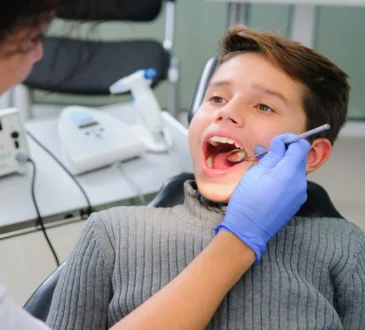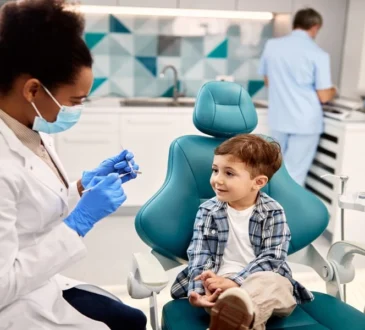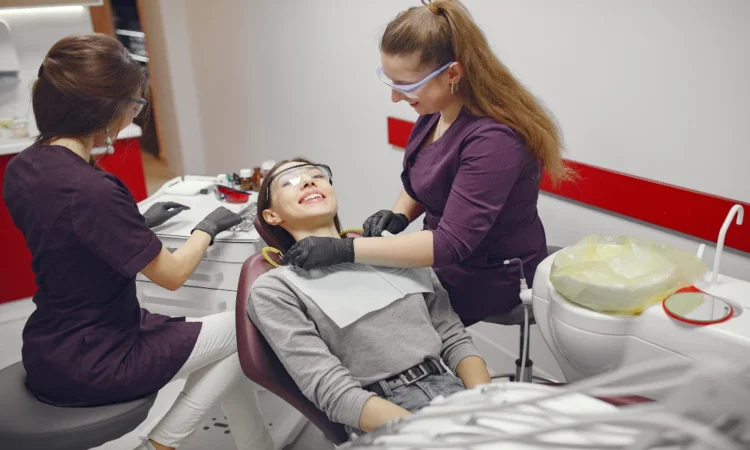
You might not think much about dental emergencies until one suddenly interrupts an ordinary day. A child chips a tooth at practice, a parent wakes up with swelling and pain, or a crown comes loose right before work. In those moments, stress builds fast because discomfort is only part of the problem. You are also trying to figure out who to call, how serious it is, and whether your family can get help quickly. That is why emergency dental care in family dentistry brings real peace of mind, especially when you already have a trusted family dentist in Fort Wayne. When one dental home can handle both routine visits and urgent needs, you spend less time scrambling and more time getting the right care.
That sense of relief matters more than many people realize. Oral health concerns are common across the country, and they do not always arrive on a convenient schedule. According to a recent CDC data brief on dental visits, many adults still do not get regular dental care each year, which can make small problems more likely to turn into urgent ones. Because of that, having a trusted family dentist who understands your history can change the whole experience when something goes wrong.
What Makes Emergency Care in Family Dentistry Feel So Different?
When you already know the office, the team, and the dentist, an emergency feels less overwhelming. You are not explaining your health history from scratch, and you are not guessing whether the provider is a good fit for your child, your spouse, or an older parent. That familiarity can calm a tense moment, especially when pain is involved.
There is also a practical side to it. A family dentist often tracks patterns over time, such as grinding, repeated cavities, old fillings, gum changes, or sports related injuries. So if you call with a cracked tooth or sudden sensitivity, the office may already have records and X rays that help them decide what needs to happen next. That can save time, reduce repeat testing, and support faster care.
So, where does that leave you if you are weighing your options? It means a family practice is not only about cleanings and checkups. It can also serve as a steady point of contact when life gets messy. Urgent dental care through a family dentist often feels more personal because it is built on an existing relationship, not a rushed one time visit.
Why Can Delayed Dental Treatment Create More Stress and Cost?
A small dental issue has a way of growing when it is ignored. A minor chip can expose deeper layers of the tooth. A cavity that seemed manageable can become an infection. Sore gums can turn into swelling, bleeding, and trouble eating. The pain itself is hard enough, but the timing can make everything worse. You may miss school, lose work hours, or end up needing a more involved procedure than you would have needed earlier.
This is one reason prevention and early care matter so much. The CDC guidance on oral health prevention explains that daily care, regular dental visits, and prompt treatment help reduce the risk of larger oral health problems. In simple terms, when a family dentist can step in early, there is often a better chance of protecting the tooth, lowering the cost, and easing pain sooner.
Think about a common scenario. Your child says a tooth hurts on Friday night. If you wait and hope it improves, the weekend may become two days of discomfort, poor sleep, and worry. If your family dental office offers emergency support, you know where to turn. That clarity alone can make a difficult moment feel more manageable.
How Does Family Dentistry Support Both Urgent Care and Long Term Health?
Emergency care is not separate from the rest of your dental care. In many cases, it is part of a bigger picture. A dentist who treats your whole family can connect an urgent problem to habits, past treatment, and future prevention. That matters because oral health affects more than your teeth. The National Institute of Dental and Craniofacial Research report on oral health in America highlights how oral conditions can affect comfort, nutrition, speech, and quality of life.
When care is continuous, the goal is not only to stop pain today. It is also to lower the odds of the same problem happening again. Maybe that means a custom mouthguard for sports, treatment for nighttime grinding, better fluoride support, or a plan for replacing old dental work before it fails. This is where the value of a family dentist becomes clear. You are not just fixing emergencies. You are building a safer path forward for everyone in your home.
What Should You Compare When Choosing Emergency Dental Support?
If you are deciding between waiting, visiting an unfamiliar urgent clinic, or calling a family practice, it helps to look at the differences side by side.
| Option | What It Offers | Possible Drawbacks | Best Use |
|---|---|---|---|
| Wait and monitor at home | May seem easier in the moment and avoids an immediate appointment | Pain can worsen, infection can spread, and treatment may become more costly | Very mild symptoms only, with professional guidance |
| Unfamiliar urgent dental clinic | Fast access when your regular office is unavailable | No established history, less continuity, possible repeat imaging or follow up elsewhere | After hours emergencies when no family dentist is available |
| Family dentistry with emergency care | Knows your records, treats all ages, supports follow up and prevention | Availability may depend on office hours and scheduling | Most urgent dental problems and long term care planning |
This comparison is why many families prefer a practice that can handle both routine and urgent needs. It reduces guesswork, and it often leads to smoother care from the first phone call to the final follow up.
What Can You Do Right Now to Be Ready for a Dental Emergency?
1. Save your family dentist’s contact details where everyone can find them.
Put the office number in your phone, on the fridge, and in your child care or school emergency list. When pain hits, you do not want to search for answers under pressure.
2. Learn which symptoms should never wait.
Severe tooth pain, swelling, bleeding that does not stop, a knocked out tooth, or signs of infection deserve prompt attention. If breathing or swallowing is affected, seek emergency medical help right away.
3. Keep routine visits on the calendar.
This may sound simple, but it is one of the best ways to reduce urgent problems. Regular exams help catch weak fillings, early decay, gum issues, and bite problems before they turn into weekend crises.
Why Does This Kind of Care Bring Real Peace of Mind?
Peace of mind comes from knowing you have a plan before you need one. It comes from trusting that the person treating your emergency also understands your family’s history, concerns, and long term goals. And it comes from feeling less alone when something painful and unexpected happens.
If you have been wondering whether choosing a family practice with emergency support is worth it, the answer is often yes. It can mean faster help, fewer unknowns, and steadier care when your family needs it most. If you do not already have a dental home that offers this kind of support, now is a good time to find one and ask how they handle urgent care.