You might be feeling pulled in two directions right now. On one side, you want a bite that works better, a face that feels more balanced, and relief from the daily strain of chewing, speaking, or even breathing. On the other, the idea of braces plus jaw surgery can sound like a lot to carry at once. That reaction makes sense. When a correction is too large for braces alone, treatment often needs careful timing between an orthodontist in Chicago, IL and an oral surgeon. The short version is simple. Braces prepare your teeth, surgery repositions the jaws, and more braces finish the bite so everything fits the way it should.
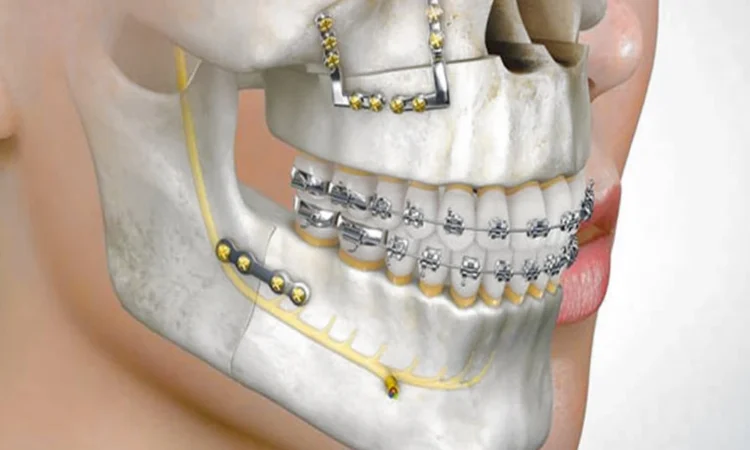
Because this process asks for patience, it helps to know what is actually happening and why. Surgical orthodontics, also called orthognathic treatment or corrective jaw surgery with braces, is used when the upper jaw, lower jaw, or both are out of position in a way that affects function and appearance. If you have been told that straight teeth alone will not fix the problem, that does not mean your case is hopeless. It usually means your team is aiming for a result that is stable, healthy, and built to last.
Why would braces alone not be enough for big bite corrections?
This is often the hardest part to understand. If the real issue is the position of the jaws, moving teeth by themselves can only do so much. Teeth can be aligned, but if the upper and lower jaws do not meet well, you may still deal with an open bite, underbite, overbite, facial strain, speech issues, or wear on the teeth. In some cases, people also have trouble with sleep or breathing. The VA health library overview of orthognathic surgery explains that jaw surgery is used to correct problems that affect chewing, speaking, and facial balance when the jaws are not aligned properly.
That is where the coordination matters. Your orthodontist does not just straighten teeth for looks. They move teeth into positions that will match correctly after surgery. Oddly, that can make your bite look worse for a while before it gets better. If that sounds frustrating, it is. But it is also normal. The goal is not a temporary cosmetic fix. The goal is to set up the jaws and teeth so the final bite is sound.
What does the timeline for orthognathic treatment usually look like?
Most people want to know how life will look month by month. While every case is different, the path is often fairly predictable. First comes records, scans, photos, and a treatment plan shared by the orthodontist and surgeon. Then braces go on, and the teeth are moved into their planned positions. After that, jaw surgery is done in the hospital by an oral and maxillofacial surgeon. Once healing begins, braces stay on for finishing details so the bite settles well.
The team at UCSF explains orthognathic surgery as a combined approach where orthodontic treatment and surgery work together to improve both bite function and facial form. That combined planning is the reason this process can feel slow at first. Still, the pacing serves a purpose. Rushing can create instability, and no one wants to go through surgery only to end up with a bite that does not hold.
What are the real tradeoffs when you compare braces alone to jaw surgery with braces?
So, where does that leave you when you are weighing your options? A side by side view can help.
| Option | Best For | Main Benefit | Main Limitation |
|---|---|---|---|
| Braces alone | Mild to moderate tooth alignment and bite issues | Less invasive, no surgical recovery | Cannot correct jaw position when the problem is skeletal |
| Corrective jaw surgery with braces | Large overbites, underbites, open bites, facial asymmetry, jaw related function problems | Addresses the root problem by repositioning the jaws and refining the bite | Longer treatment time, surgical cost, recovery period |
| Camouflage orthodontics | Cases where a person wants to avoid surgery and accepts limits | May improve appearance of the teeth | Often does not fix chewing mechanics or facial imbalance fully |
For many people, the biggest stress points are recovery, cost, and time away from work or school. Those concerns are real. Surgery can involve swelling, a soft food period, and follow up visits. Insurance coverage varies, especially when the case sits between medical need and dental benefit. The good news is that a clear plan usually makes the unknowns feel smaller. The University of Utah’s orthognathic surgery page outlines common reasons for treatment and what patients can expect before and after surgery, which can help you prepare better questions for your own team.
How can you make this process feel more manageable right now?
1. Ask what problem is being treated.
At your next visit, ask whether your issue is mostly dental, mostly skeletal, or both. That one question changes the whole conversation. If the answer is skeletal, you will understand why an orthodontist may recommend surgery instead of trying to force a braces only plan that cannot fully solve the problem.
2. Request a staged timeline.
Ask for the treatment in phases. You want to know what happens before braces, during presurgical orthodontics, around the surgery date, and after surgery. When the path is broken into steps, it feels less like one huge event and more like a series of manageable decisions.
3. Talk through daily life, not just the procedure.
Ask what eating, speaking, work, exercise, and follow up visits may look like in the first few weeks after surgery. People often focus on the operating room and forget about the recovery at home. Practical planning now can lower stress later.
What should you hold onto if this still feels overwhelming?
If you are considering surgical orthodontics, you do not need to have every answer today. You just need a clear diagnosis, a team that coordinates well, and a treatment plan that makes sense for your life and your health. Big corrections can feel intimidating, but they are often the path to a bite that works better and a result that feels more natural over time.
If you are exploring care with an orthodontist, start by scheduling a consultation and asking whether your bite issue is a tooth movement problem, a jaw position problem, or both. That one conversation can bring a lot of clarity, and sometimes clarity is the first real relief.