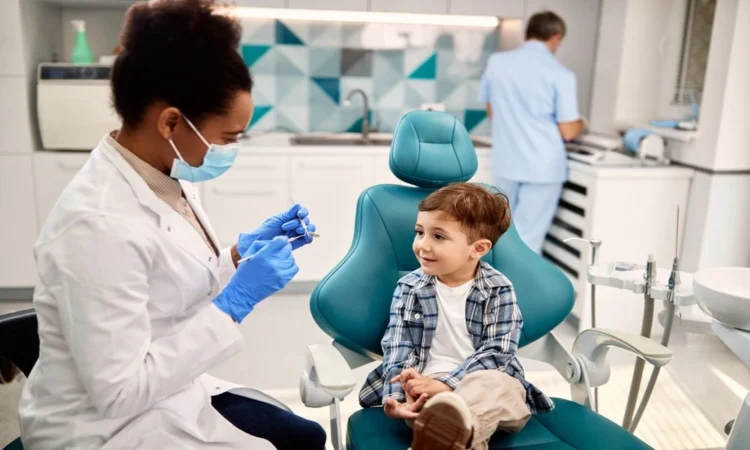
You book a dental visit with a dentist in Euless because a child says a tooth feels odd, or because your own gums bleed a little when you brush, and part of you hopes it is nothing. That feeling is common. Most oral health problems do not start with dramatic pain. They start quietly, with small changes that are easy to miss when life is busy and everyone in the family is on a different schedule.
That is why Why Family Dentistry Encourages Early Detection Of Oral Health Issues matters in everyday life, not just in theory. A family dentist sees patterns over time, catches small issues before they turn into bigger ones, and helps children and adults build habits that protect their teeth and gums for years. Early care usually means less discomfort, fewer surprises, and lower costs.
Family dentistry helps spot problems before they become expensive and painful
A cavity rarely begins as a crisis. Gum disease usually does not announce itself loudly either. You may notice sensitivity to cold drinks, bad breath that keeps coming back, a white spot on a child’s tooth, or gums that look a little puffy. Those signs are easy to shrug off. The trouble is that oral health issues tend to grow when they are left alone.
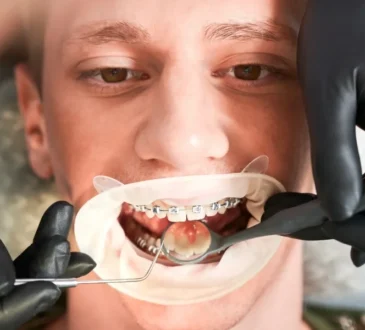
A family dentist follows your household through different stages of life. That long view makes a difference. A dentist who has seen your child’s teeth develop can notice when enamel looks weak, when crowding may make cleaning harder, or when thumb sucking is affecting alignment. The same dentist can watch for gum recession in adults, worn teeth from grinding, and dry mouth in older family members. This is one reason early oral health detection in family dentistry works so well. It is not just one visit. It is steady observation.
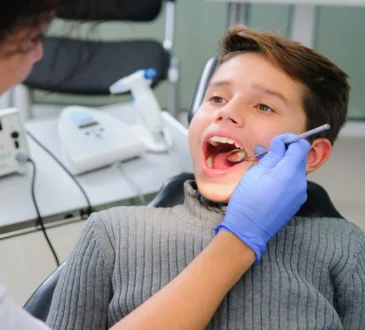
There is also the issue of comfort. Children who start dental visits early often become more relaxed with care, which makes it easier to examine their mouths closely and catch concerns sooner. The Centers for Disease Control and Prevention shares practical oral health tips for children that support this routine at home, including brushing, fluoride use, and healthy food choices. Prevention works best when home care and dental visits support each other.
Early detection protects more than teeth
Oral health problems can affect sleep, eating, speech, and confidence. A child with tooth pain may struggle to focus in school. An adult with untreated gum disease may avoid certain foods, smile less, or put off care because they worry about cost. That delay often leads to more treatment later.
There is a wider public health reason to pay attention too. The CDC’s selected findings on oral health show that cavities and gum disease remain common across age groups in the United States. Common does not mean harmless. It means many families deal with issues that could often be managed earlier and more simply.
Family dentists are in a strong position to notice the first signs of decay, infection, bite problems, and soft tissue changes. They can also flag symptoms that may need medical follow up. Mouth sores that do not heal, chronic dry mouth, jaw pain, and swelling are not things to ignore. MedlinePlus explains tooth decay in plain language, including how plaque, bacteria, and sugars work together to damage teeth over time. That process does not stop on its own.
Routine family dental care creates a clearer picture over time
Seeing one provider for the whole family adds something people often overlook. It creates continuity. A family dentist can compare what your mouth looked like six months ago to what it looks like now. That helps them notice subtle changes. A small area of enamel wear, a gum pocket that deepened, or a child’s shifting bite may not sound urgent today, but those details guide early treatment.
family dental care for early diagnosis also makes scheduling simpler. When care is easier to fit into your life, it happens more consistently. Consistency is what allows prevention to work. Missed visits can mean missed warning signs, and oral health tends to punish delay.
| Situation | Early Detection Through a Family Dentist | Waiting Until Symptoms Get Worse |
|---|---|---|
| Small cavity | May need a simple filling and home care changes | May progress to severe pain, infection, or a root canal |
| Bleeding gums | Often managed with cleaning, better brushing, and monitoring | Can advance to gum disease, bone loss, and loose teeth |
| Childhood bite or spacing issue | Can be tracked early and referred at the right time | May become harder or more costly to correct later |
| Teeth grinding | Wear can be caught early and protected | Can lead to fractures, jaw pain, and headaches |
Simple steps help your family dentist catch oral health issues sooner
1. Keep regular checkups on the calendar. Do not wait for pain to decide it is time. Routine exams and cleanings give your family dentist a chance to find changes before they turn into larger problems. If someone in your home has a history of cavities, gum disease, dry mouth, or orthodontic concerns, consistency matters even more.
2. Pay attention to small changes at home. Watch for bleeding gums, new sensitivity, white or brown spots on teeth, bad breath that does not improve, jaw clicking, mouth sores, or changes in the way your child bites or chews. These details help a family dentist connect the dots faster.
3. Build daily habits that support prevention. Brush twice a day with fluoride toothpaste, floss once a day, and limit frequent sugary drinks and snacks. For children, supervise brushing long enough to make sure it is actually effective. Good habits do not replace dental visits, but they make those visits easier and reduce the chance that a small issue will grow.
Family dentists make prevention feel manageable
Oral health is easier to protect when care feels familiar, steady, and built into normal life. That is the real value of a family dentist. You are not starting from scratch every time someone has a problem. You have a provider who knows your family, sees changes early, and can guide treatment before it becomes more stressful than it needs to be.
If you have been putting off appointments because nothing seems urgent, this is a good time to change course. Small signs are worth checking, and routine visits are worth keeping. A family dentist can help you catch problems early, protect your budget, and give everyone in your household a healthier start.