You might have put off a dental visit because nothing feels urgent. No sharp pain, no swelling, no broken tooth. Life gets busy, and dental problems are easy to push down the list until something starts to hurt. That is usually the moment treatment gets harder, more expensive, and more stressful than it needed to be. Seeing a general dentist in Aurora, IL before symptoms appear can help you avoid that cycle.
The core issue is simple. Most dental problems start small and quiet. A weak spot in enamel, early gum irritation, a filling that is starting to fail, or a cracked tooth that does not hurt yet can all sit there for months. By the time symptoms show up, the damage often has more room to spread. Early detection in dental care makes treatment easier because it catches those changes before they turn into pain, infection, or tooth loss.
Small Dental Problems Grow Fast When They Stay Hidden
A cavity does not begin as a major repair. It begins as a tiny area where the tooth surface is breaking down. Gum disease does not start with loose teeth. It often starts with mild bleeding when you brush, bad breath that lingers, or gums that look a little puffy. Those early signs are easy to dismiss, especially when they come and go.
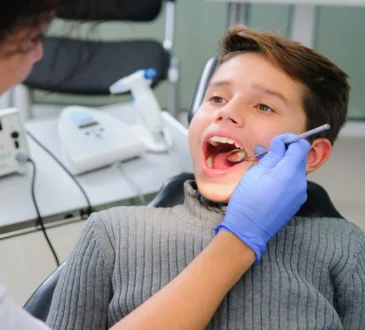
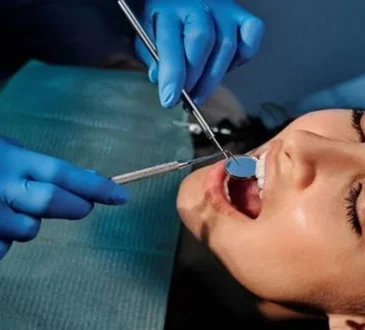
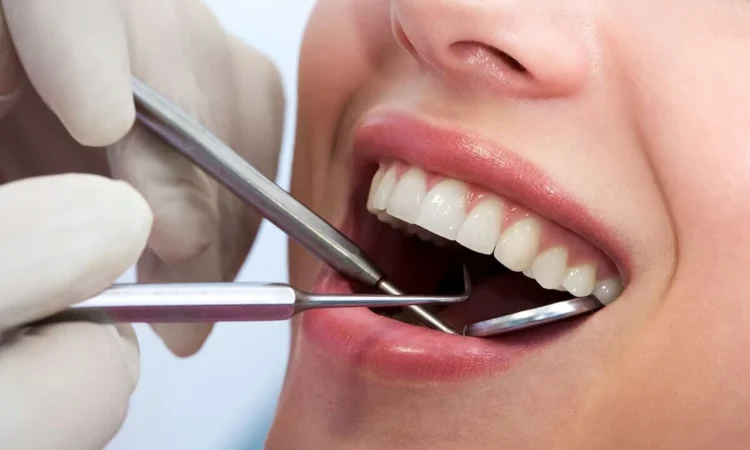
That is where regular exams matter. A dentist can spot changes you cannot see in the mirror. X rays can show decay between teeth, bone loss, and problems under old dental work. A routine dental exam can reveal issues before they become obvious in daily life.
When problems stay hidden, treatment usually gets more involved. A small cavity may need a filling. Leave it alone long enough and the decay can reach the inner pulp, which can mean a root canal or extraction. Mild gum inflammation may improve with better cleaning and a professional visit. Ignore it, and it can become periodontitis, which affects the bone that holds your teeth in place.
You feel this in more than your mouth. Dental pain can affect sleep, work, meals, and focus. Cost rises with complexity. Anxiety rises with cost and pain. This is why catching dental issues early changes the whole experience. You are not just preventing damage. You are reducing disruption.
Early Diagnosis Often Means Simpler, Less Costly Dental Treatment
People often assume skipping checkups saves money. It can feel true in the short term. Then a tooth that needed a simple filling starts throbbing on a Friday night, and the bill is suddenly much larger. Emergency visits, crowns, root canals, gum treatment, and tooth replacement are all harder on your budget than early care.
Adults face added risks as they get older. Dry mouth from medication, receding gums, worn dental work, and health conditions like diabetes can all raise the chance of oral problems. The adult oral health guidance from HRSA explains that oral health is closely tied to overall health, which is one more reason not to wait for pain as your signal.
There is also the emotional side. Many people delay seeing a general dentist because they worry they will be judged for waiting too long. That fear keeps the cycle going. The truth is that dentists see this every day. The earlier you come in, the more choices you usually have, and the less invasive treatment tends to be.
Routine Prevention Supports Early Detection and Better Outcomes
Daily habits help, but they do not replace a professional exam. Brushing with fluoride toothpaste, cleaning between teeth, limiting sugary drinks, and not smoking all lower your risk. The CDC oral health tips for adults cover these basics clearly, and they work best when they are paired with regular dental visits.
Preventive dental care is not only about avoiding cavities. It is also about tracking changes over time. A dentist can compare today’s exam with your last one and notice subtle shifts in gum health, tooth wear, bite pressure, and oral tissue changes. That pattern matters. A single symptom might not tell much on its own, but changes over time often reveal where trouble is starting.
| Dental Issue | When Found Early | When Found Late |
|---|---|---|
| Tooth decay | Small filling, shorter visit, lower cost | Root canal, crown, or extraction |
| Gum inflammation | Professional cleaning and home care changes | Deep cleaning, bone loss management, possible tooth mobility |
| Cracked tooth | Monitoring or early restoration | Pain, infection, split tooth, possible tooth loss |
| Worn or failing filling | Simple replacement | Decay under restoration, fracture, larger repair |
Three Steps You Can Take Right Away
1. Stop waiting for pain to be your signal. Pain usually means a problem has moved past the early stage. If it has been a while since your last visit, schedule a checkup with a general dentist even if your mouth feels fine.
2. Pay attention to small changes. Bleeding gums, tooth sensitivity, food getting stuck in one spot, a rough edge on a tooth, or persistent bad breath are all worth mentioning. These are often the signs that lead to easier treatment when caught early.
3. Build a simple prevention routine you can keep. Brush twice a day with fluoride toothpaste, clean between your teeth once a day, drink more water, and cut back on frequent sugar. These habits do not need to be perfect to help. They just need to be consistent.
Early Dental Care Gives You More Options and Less Stress
Most people do not avoid the dentist because they do not care. They avoid it because time is tight, money is tight, or they are worried about what they will hear. That is exactly why early detection matters. It gives you a better chance at smaller treatments, lower costs, and fewer painful surprises.
If you have been putting off care, this is a good time to change course. A visit with a general dentist can catch problems early and make the next step much easier.