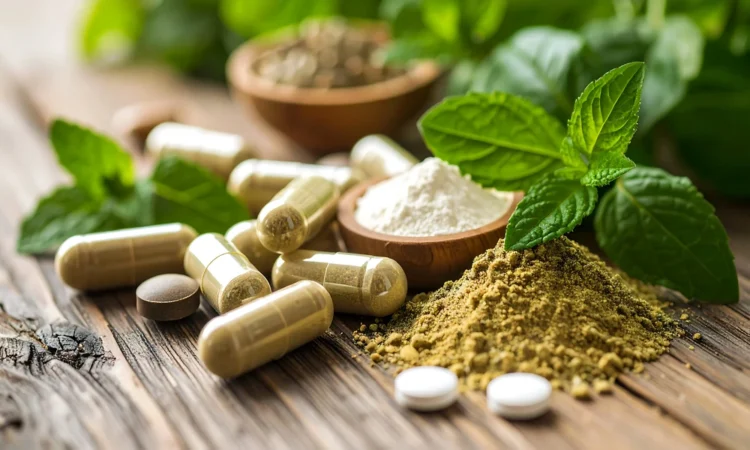
Heart disease is now the leading cause of death in India, and it is affecting people at younger ages than ever. Alongside modern cardiology, many patients and families look to Ayurveda for ways to strengthen the heart, improve stamina and support recovery. If you are considering Ayurvedic support for your heart, it helps to know which herbs are commonly used, what the evidence says and how to combine them safely with your existing treatment.
The Ayurvedic View of the Heart
Ayurveda calls the heart hridaya and regards it as the seat of life force (prana) and consciousness. Heart disorders are linked to imbalances of the doshas, poor digestion and the accumulation of ama, which is thought to obstruct the body’s channels. Treatment therefore aims not only to support the heart directly but also to improve digestion, calm the mind and restore healthy routines.
Commonly Used Herbs
Arjuna (Terminalia arjuna)
The bark of the arjuna tree is the most famous heart herb in Ayurveda. Studies suggest it may help with angina symptoms, support the heart’s pumping function in some patients and modestly improve cholesterol levels. It is often taken as a powder boiled in milk or as standardised tablets.
Ashwagandha (Withania somnifera)
An adaptogen used to reduce stress and improve stamina. Since chronic stress raises blood pressure and heart rate, ashwagandha is often included in heart-supportive plans.
Guggulu (Commiphora mukul)
Traditionally used for weight and cholesterol management. Research results on cholesterol are mixed, so it should not be relied upon in place of prescribed lipid-lowering medicines.
Lashuna (garlic)
Garlic preparations have shown modest benefits for blood pressure and cholesterol in several studies. It is often recommended as part of the daily diet rather than as a concentrated supplement, especially for people on blood thinners.
Pushkarmool and Punarnava
Pushkarmool is used for chest discomfort and breathlessness, while punarnava is valued for its mild diuretic effect, particularly where fluid retention is a concern.
Where Ayurveda Fits in Heart Care
Even a carefully chosen ayurvedic medicine for heart blockage is most useful as supportive, long-term care. It can play a role in:
- Prevention: helping people with high blood pressure, diabetes, obesity or high cholesterol improve their lifestyle and risk profile
- Rehabilitation: supporting stamina and wellbeing after angioplasty or bypass surgery, alongside cardiac rehabilitation
- Chronic conditions: improving quality of life in people with stable heart disease or heart failure, under close medical supervision
It is not a substitute for emergency treatment, stents, surgery or essential medicines such as antiplatelets, statins and blood pressure drugs.
Safety First: What Every Heart Patient Should Know
Never stop your heart medicines
Stopping antiplatelets after a stent, or abruptly stopping beta blockers, can be life-threatening. Herbs should be added only with your cardiologist’s knowledge.
Watch for interactions
Some herbs may affect blood clotting, blood pressure, heart rate or blood sugar. Garlic and certain other herbs could add to the effect of blood thinners, while diuretic herbs may affect potassium levels in people taking certain heart medicines.
Insist on quality
Choose products from licensed manufacturers with clear labelling. Avoid unlabelled powders and “secret” formulations; some unregulated herbal products have been found to contain heavy metals or undeclared drugs.
Get monitored
Regular checks of blood pressure, heart rate, kidney function, lipid profile and, where relevant, ECG and echocardiogram help ensure any herbal treatment is safe and actually helping.
Lifestyle: The Foundation of Every Plan
No medicine, Ayurvedic or modern, works well against an unhealthy lifestyle. Ayurveda’s daily routine principles align closely with what cardiologists recommend:
- Fresh, home-cooked meals with less salt, sugar and fried food
- Daily walking and gentle yoga, built up gradually
- Pranayama and meditation to manage stress
- Regular sleep and fixed meal times
- Complete avoidance of tobacco
Questions to Ask Before You Start
Before taking any herbal preparation for your heart, ask your doctor a few simple questions. What exactly is in this medicine, and why is each ingredient included? How long should I take it, and how will we know if it is working? Can it interact with my blood thinners, statins or blood pressure tablets? Which tests should I repeat, and when? Clear answers to these questions are a good sign that your care is thoughtful, evidence-aware and properly supervised.
Choosing the Right Practitioner
Look for a qualified BAMS or MD (Ayurveda) physician who asks about your full medical history, reviews your reports, coordinates with your cardiologist and sets measurable goals. Be cautious of anyone who promises to “dissolve” blockages or asks you to abandon prescribed treatment.
The Bottom Line
An ayurvedic medicine for heart health can be a valuable companion to modern cardiac care when it is prescribed by a qualified doctor, made by a reputable manufacturer and monitored properly. Combined with a heart-friendly lifestyle and your cardiologist’s guidance, it may help you feel stronger and live better with a healthier heart.
Disclaimer: This article is for general information only and is not a substitute for medical advice. Please consult a qualified doctor before starting or changing any treatment.