Pregnancy changes everything, including parts of your health you may not expect. Your gums may bleed when you brush. Your mouth may feel dry. Nausea may make brushing harder, and the smell of toothpaste alone can turn your stomach. If dental care has slipped down your list, you are not alone. A lot of people spend these months focused on scans, vitamins, sleep, and getting through the day, while mouth pain or gum swelling gets pushed aside until it becomes harder to ignore. A Sugar Land family dentist can help you stay on top of your oral health during this time.
That is where family dentistry during pregnancy can make a real difference. A family dentist can help you manage gum inflammation, tooth sensitivity, cavities, and cleaning needs in a way that supports both comfort and safety. Routine dental care is safe during pregnancy, and delaying treatment often creates bigger problems, more pain, and more stress.
Pregnancy often shows up in your mouth before you expect it
Hormone changes can make your gums react more strongly to plaque, which means even small amounts of buildup can lead to redness, swelling, and bleeding. The CDC reports that many pregnant women experience oral health problems, including cavities and gum disease, and it also explains why pregnancy and oral health are closely connected. This is not a small side issue. Mouth discomfort can affect how you eat, sleep, and cope with an already demanding time.
You may also be dealing with morning sickness, and stomach acid has a way of wearing on enamel. If you brush right after vomiting, the acid can spread across softened tooth surfaces and cause more damage. If you skip brushing because you feel sick, plaque builds up faster. That cycle is common, and it is one reason a family dentist matters. You get practical care that fits what your days actually look like, not what they should look like on paper.
Some people avoid the dentist during pregnancy because they worry treatment is unsafe. That fear is understandable, but it often leads to untreated infection, deeper decay, or gum disease that becomes more painful and more expensive. The CDC states clearly that dental care is safe and important during pregnancy, including cleanings, exams, and needed treatment. If you have tooth pain, swelling, or signs of infection, waiting is rarely the safer choice.
A family dentist can adjust care to what pregnancy demands
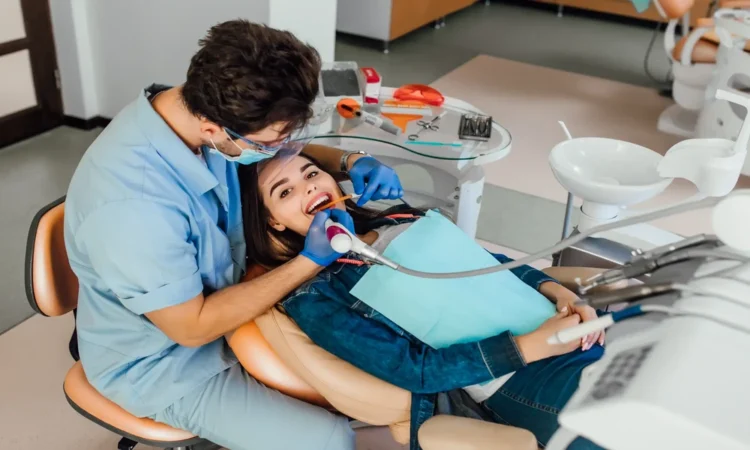
A good family dentist does more than clean teeth. They help you work around nausea, sensitivity, fatigue, and the simple fact that sitting back in a dental chair may feel different as pregnancy progresses. Shorter visits can help. Extra breaks can help. Timing appointments for the part of the day when you feel least sick can help. These details matter when your body already feels stretched.
Dental care during pregnancy also includes prevention. Professional cleanings lower plaque and tartar that home care cannot fully remove. Early exams can catch small cavities before they turn into urgent treatment. If your gums are bleeding, your dentist can show you how to clean them without making the irritation worse. If dry mouth has become a problem, you can get guidance that lowers your risk of decay.
There is also the bigger health picture. Oral health does not sit apart from the rest of the body. The National Institute of Dental and Craniofacial Research describes oral health as part of overall health across the lifespan in its report on oral health in America. During pregnancy, that connection feels even more immediate. You are not just trying to keep your teeth clean. You are trying to stay ahead of pain, infection, inflammation, and one more thing that can drain your energy.
Routine dental visits and delayed care lead to very different outcomes
Many people assume they can just wait until after delivery. Sometimes that works out. Often it does not. A small cavity rarely stays small for months. Mild gum irritation can turn into persistent inflammation. What starts as bleeding when you floss can become tenderness that makes eating uncomfortable.
| Situation | Routine family dentist care | Delayed dental care |
|---|---|---|
| Bleeding gums | Cleaning, home care guidance, monitoring of gum health | More swelling, more bleeding, harder home care |
| Morning sickness and enamel stress | Advice on rinsing, timing brushing, fluoride support | Higher risk of enamel wear and sensitivity |
| Small cavity | Early treatment before pain or deeper decay | Larger restoration, possible infection, more discomfort |
| Tooth pain | Prompt evaluation and pregnancy aware treatment planning | Worsening pain, disrupted sleep, urgent care needs |
| Overall stress | Clear answers, prevention, fewer surprises | More uncertainty, more cost, more last minute decisions |
Small steps now can protect your comfort for the rest of pregnancy
Schedule the dental visit you have been putting off.
If you are due for a cleaning or you have pain, sensitivity, swelling, or bleeding gums, book the appointment. Tell the office you are pregnant and how far along you are. A family dentist can plan around that from the start.
Adjust your home care to match what your body is doing.
Use a soft toothbrush, brush gently twice a day, and floss daily if you can tolerate it. After vomiting, rinse with water first and wait a bit before brushing. If toothpaste triggers nausea, try a milder flavor. These are small changes, but they often make it easier to stay consistent.
Speak up about every symptom, even the one that seems minor.
Mouth dryness, bleeding, bad taste, jaw soreness, and temperature sensitivity all matter. A family dentist can often address a problem early, before it becomes painful or expensive. You do not need to wait until something feels severe to mention it.
Family dentistry can make pregnancy a little easier
You already have enough on your mind. Dental pain, gum problems, and uncertainty about what is safe should not sit there too. Pregnancy dental care is part of taking care of yourself, and getting help early usually means less discomfort, less stress, and fewer surprises later. If you have concerns about your teeth or gums during pregnancy, reach out to a trusted dental office and set up a visit.