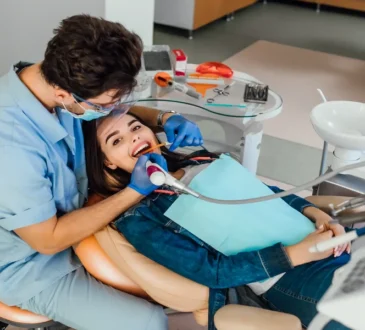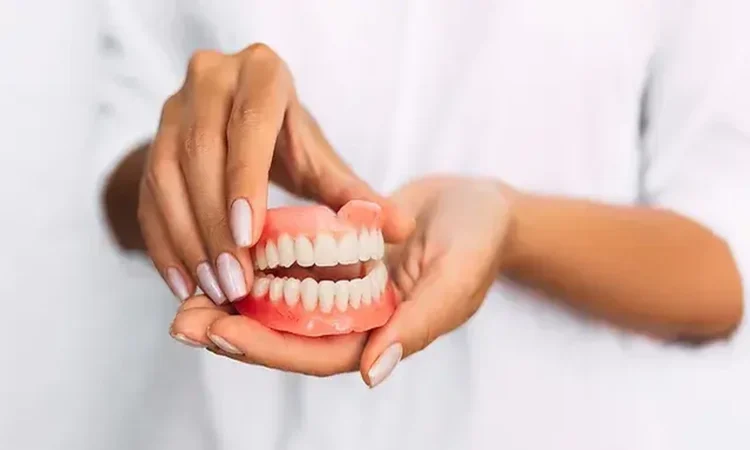
You notice it in small moments first. You smile less in photos, cover your mouth when you laugh, or put off that cleaning because you already know the dentist will mention the same spot again. A lot of people live in that cycle, wanting a brighter, healthier smile but feeling unsure where to start, what matters most, or what will cost more later if they keep waiting. That’s often when people begin looking for family dental care near Shelby Township.
A confident smile usually comes from two things working together. One is prevention, which protects your teeth before problems grow. The other is cosmetic care, which improves the look of your smile when chips, stains, or uneven edges start to affect how you feel. The best results often come from both, especially when you are working with a family and cosmetic dentist who sees the full picture instead of treating one issue at a time.
Preventive and cosmetic dental care work best together
People often separate appearance from health, but your mouth does not. Plaque buildup can lead to decay, gum irritation, and discoloration at the same time. A small chip can be cosmetic at first, then turn into sensitivity or further damage if you keep biting on it. That is why cosmetic and preventive dental services are often part of the same long term plan.
Prevention tends to save money, time, and discomfort. Cosmetic treatment tends to restore confidence and help you feel like yourself again. When those two goals are handled together, your care becomes more practical. You are not just fixing what people see. You are reducing the chance that the same problem comes back in a more expensive form.
Professional teeth cleanings protect your smile before damage starts
Routine cleanings are easy to dismiss because they seem basic, but they are one of the most effective services in any dental office. Even if you brush well at home, hardened tartar and early gum inflammation can build up in places you cannot reach. That buildup can stain teeth, cause bad breath, and create the kind of irritation that makes your smile feel less fresh.
A cleaning also gives your dentist a chance to catch trouble early. A tiny cavity is easier to treat than a cracked tooth or root infection. If you have been delaying care because nothing hurts yet, that is usually the point. Many dental problems stay quiet until they become harder and more expensive to fix.
Fluoride treatments strengthen enamel and lower cavity risk
Fluoride is not just for children. It helps strengthen enamel and can reduce the risk of cavities for adults as well, especially if you have dry mouth, recession, frequent snacking, or a history of decay. The CDC explains how fluoride helps prevent cavities by making teeth more resistant to acid attacks from bacteria and sugars.
If your teeth feel sensitive or you seem to get cavities no matter how careful you are, fluoride treatment may be one of the simplest ways to add protection. It is quick, noninvasive, and useful for people who want to avoid larger restorative work later.
Dental sealants add an extra layer of defense
Sealants are thin protective coatings placed on the chewing surfaces of molars, where food and bacteria often settle into deep grooves. Many people think of them as a kids only service, but some adults can benefit too, especially if those back teeth are hard to clean well. The CDC’s information on dental sealants shows how they help stop decay before it starts.
What makes sealants so helpful is how simple they are. There is no drilling, no major recovery, and no change to how your teeth look. They quietly reduce risk in one of the most cavity prone areas of the mouth.
Teeth whitening and bonding improve the look of a worn or stained smile
Not every smile concern is about disease. Coffee stains, aging, chipped edges, and small gaps can make healthy teeth look tired. Professional whitening can lift deep stains more evenly than store bought kits, and bonding can repair chips or reshape teeth with a natural look.
This is where many people feel torn. They want cosmetic improvement, but they do not want a smile that looks artificial or overdone. Good cosmetic care should look like you, only healthier and more polished. Smile enhancement services work best when they respect the shape of your face, your bite, and the condition of your enamel.
Modern dental materials make cosmetic results more durable
Cosmetic results depend on more than shade and shape. The material matters. Bonding resins, porcelain, and other restoratives have improved a lot, which means better strength, better stain resistance, and a more natural finish than many people expect. The National Institute of Dental and Craniofacial Research outlines advances in dental materials that support stronger, more lifelike restorations.
If you have old dental work that stands out when you smile, newer materials may offer a better match. That matters for front teeth, but it also matters for function. A restoration that fits well and holds up under pressure protects your comfort every day.
Comparing common preventive and cosmetic dental services
| Service | Main Benefit | Best For | What to Keep in Mind |
|---|---|---|---|
| Professional cleaning | Removes tartar and catches early issues | Nearly everyone | Needs regular visits to stay effective |
| Fluoride treatment | Strengthens enamel and lowers cavity risk | People with sensitivity, dry mouth, or frequent decay | Works best as part of routine preventive care |
| Dental sealants | Protects deep grooves from decay | Children, teens, and some adults | Most useful on cavity prone molars |
| Professional whitening | Brightens stained teeth | People with surface or age related discoloration | Not all stains respond the same way |
| Dental bonding | Repairs chips, gaps, and uneven edges | People wanting fast cosmetic improvement | May need touch ups over time depending on wear |
Small steps make family dental care easier to manage
Book the visit you have been postponing. If it has been a while, start with an exam and cleaning. That gives you a clear picture of what is preventive, what is cosmetic, and what needs attention first.
Ask for a phased treatment plan. You do not have to do everything at once. Many people feel relief when they learn they can handle urgent health issues first, then move into preventive and aesthetic dentistry at a pace that fits their budget.
Choose one home habit that supports the office work. Use fluoride toothpaste, floss daily, and cut down on frequent sugary drinks. Small changes at home help professional care last longer and reduce the chance of repeat treatment.
A better smile does not always start with a dramatic procedure. Sometimes it starts with one cleaning, one repair, or one honest conversation about what has been bothering you every time you look in the mirror. A family and cosmetic dentist can help you protect your teeth, improve what you see, and build a plan that feels manageable instead of overwhelming.
If you are ready for a healthier, more confident smile, schedule a visit and find out which services make the most sense for you.