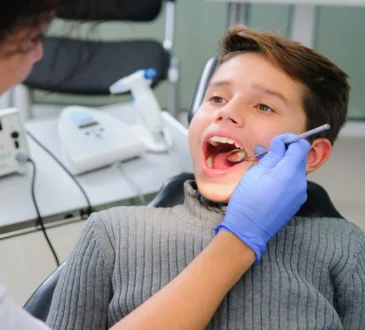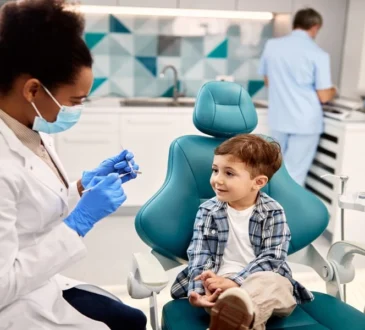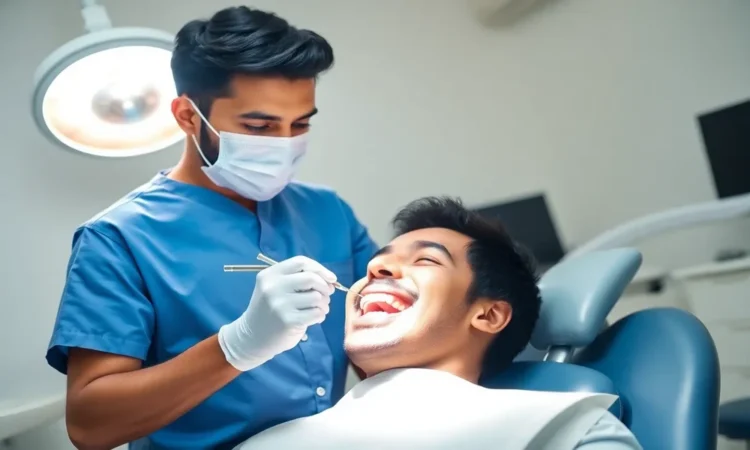
You might be feeling caught in the middle right now. Part of you wants to avoid more dental work, because every visit seems to uncover another problem. At the same time, you know ignoring your teeth will only make things worse and more expensive. Seeking advanced dental care in Phoenix can help you break that cycle. It can feel like you are always reacting, never really getting ahead of your dental health.end
Because of this tension, you may wonder if a general and family dentist is focused on routine cleanings or on fillings and crowns, and how those two approaches can ever work together. The short answer is that good general dentistry is not either preventive or restorative. It is a careful balance of both, designed to protect what is healthy and repair what is damaged, so you are not stuck in a cycle of emergencies.
So where does that leave you right now. The big idea is this. Preventive care keeps small issues from turning into big ones. Restorative services fix the damage that already exists. When your dentist coordinates both, you get fewer surprises, more control over costs, and a mouth that functions comfortably instead of just “getting by.”
Why your teeth keep needing work and what general dentistry can really do
Maybe it started with a small cavity you put off, then suddenly you needed a root canal and a crown. Or you skipped a couple of cleanings, and now the hygienist is talking about gum disease. It is easy to feel frustrated and even a little ashamed, as if you have failed at something as basic as brushing your teeth.
You are not alone. Many adults struggle to keep up with oral care. Daily routines get busy, dental insurance is confusing, and anxiety about pain or cost leads to more delays. According to the Centers for Disease Control and Prevention, consistent home care and regular checkups are still the foundation for protecting your mouth, yet many people miss these simple habits. You can see the CDC’s own tips for everyday oral care for adults in their guidance on practical oral health habits.
The problem is that teeth do not heal like skin. Once there is a cavity or a crack, it does not “get better” on its own. That is where restorative dentistry comes in. Fillings, crowns, and other treatments in a general dental office are not punishments for poor brushing. They are repairs, the same way you would patch a roof or fix a broken hinge before the damage spreads.
Because of this, you might think preventive care and restorative work are opposites. In reality, general dentistry that combines prevention and restoration gives you the best chance at a stable, predictable smile. Prevention slows future problems. Restoration handles what is already there, using materials and methods that protect your teeth for years instead of months.
How preventive care and restorative services support each other
So how does this actually work in a normal life, not a perfect one.
Imagine you go in for a routine checkup. During the cleaning, your hygienist removes hardened plaque and checks your gums. The dentist examines your teeth, maybe takes X rays, and finds a tiny cavity between two back teeth. You are given a choice. Fix it now while it is small, or wait and see.
If you fix it now, you probably need a simple filling. It is quick, costs less, and you keep almost all of your natural tooth. If you wait, that same cavity can grow silently. By the time it hurts, the decay may be close to the nerve. Now you might need a root canal and a crown, which are more involved and more expensive. The preventive visit did its job by spotting the problem early. The restorative treatment did its job by repairing the tooth before it failed.
This is the balance a thoughtful general and family dentist is always trying to strike. Here is what that looks like in practice.
- Preventive care focuses on cleanings, exams, X rays, oral cancer screenings, fluoride, and sealants. The goal is to reduce the risk of cavities, gum disease, and tooth loss.
- Restorative care includes fillings, crowns, root canals, bridges, dentures, and implants. The goal is to rebuild strength, function, and comfort when damage has already happened.
Modern research has improved both sides. For example, the National Institute of Dental and Craniofacial Research supports advances in stronger and more natural looking dental materials, which means your fillings and crowns can last longer and look more like real teeth. That makes restorative treatment more durable, and it also supports prevention, because well fitting restorations are easier to clean and less likely to trap bacteria.
When your general dentist looks at your mouth, the goal is not “how much work can we do.” The question is “what is the least amount of treatment needed to keep you healthy and comfortable long term.” Sometimes that is a simple cleaning and some coaching on home care. Other times it is a carefully planned mix of fillings, crowns, and gum therapy, spaced out over time so it is manageable.
Comparing prevention and restoration in everyday decisions
It can help to see the tradeoffs more clearly so you can decide what is right for you right now.
| Focus | Preventive care with a general dentist | Restorative treatment with a general dentist |
|---|---|---|
| Main goal | Stop problems before they start or worsen | Repair teeth and gums that are already damaged |
| Typical visits | Cleanings, exams, X rays, fluoride, sealants | Fillings, crowns, root canals, bridges, dentures, implants |
| Cost over time | Lower per visit, often covered well by insurance | Higher per procedure, especially for advanced damage |
| Comfort level | Usually quick and mild, focuses on maintenance | Can be more involved but uses modern numbing and techniques for comfort |
| Impact if delayed | Increased risk of cavities, gum disease, and tooth loss | Small issues become larger, leading to more complex and costly care |
| Long term effect | Fewer surprises, better breath, stronger teeth, healthier gums | Restored chewing, reduced pain, improved appearance and confidence |
When you see it this way, you can understand why preventive and restorative dental care are not competing priorities. They are partners. Skipping one makes the other heavier and more stressful.
Three steps you can take now to regain control of your oral health
You might be wondering what to do if you already feel behind. The good news is that you do not need a perfect history to start moving in a better direction.
1. Schedule a “reset” visit and be honest about your worries
Set up a full exam with a general and family dentist and treat it as a reset point. Share how long it has been, what you are afraid they will find, and what your budget limits are. A good dentist will work with you, not judge you. Ask them to explain what is urgent, what can wait, and how prevention can protect the work you choose to do.
2. Build a simple, realistic home routine
You do not need fancy tools to protect your future dental work. Twice daily brushing with fluoride toothpaste, daily flossing or interdental cleaners, and limiting frequent sugary snacks can dramatically cut your risk of new cavities and gum disease. If you struggle to remember, tie your brushing to something you already do every day, like morning coffee and getting ready for bed.
3. Plan restorative work in stages, guided by prevention
If you need several treatments, ask your dentist to prioritize them in a way that makes sense for your health and finances. Often, the best approach is to handle active infections or painful teeth first, then stabilize teeth that are at high risk of breaking, and finally address appearance. Between each stage, use preventive visits to check healing, fine tune home care, and catch any new issues while they are still small.
Moving forward with more confidence about general dental care
You do not have to choose between being “the person who is always at the dentist” and the person who avoids appointments until something hurts. With thoughtful general dentistry services, you can use prevention to protect your mouth and restoration to repair what is already damaged, without feeling trapped or judged.
Your next step does not need to be big or dramatic. One scheduled checkup, one honest conversation, and one small change at home can start to shift you from crisis care to steady, predictable health. You deserve a mouth that feels comfortable, works well, and does not keep you up at night worrying about the next surprise.