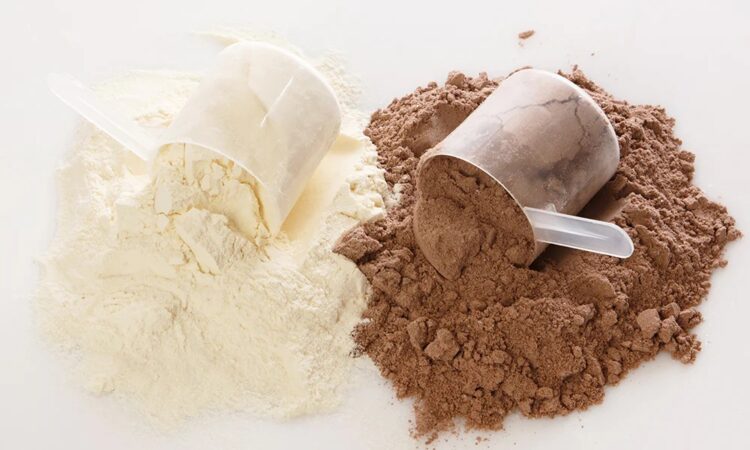
Whey protein isolate delivers a concentrated source of amino acids that the body absorbs quickly, making it effective for supporting muscle repair and recovery. It contains minimal fats and lactose due to advanced filtration. This refined composition allows faster digestion compared to less processed protein sources.
The body breaks it down into amino acids that enter the bloodstream efficiently. These amino acids support muscle protein synthesis. The rapid delivery makes it suitable for active individuals.
Absorption Rate and Digestion
The absorption rate of whey protein isolate depends on its refined structure and low impurity content. Smaller protein fractions require less digestive effort. This allows amino acids to become available in a shorter time frame. Faster absorption supports immediate recovery after physical activity. It also helps maintain a steady supply of nutrients for muscle repair.
Key factors influencing absorption include:
- High protein concentration with minimal fat
- Reduced lactose content for easier digestion
- Smaller protein fractions due to filtration
- Rapid breakdown into amino acids
- Efficient delivery to muscle tissue
These factors define how the body processes the supplement.
Role in Muscle Recovery
Whey protein isolate supports muscle recovery by supplying essential amino acids required for repair. After exercise, muscle fibers experience stress that requires rebuilding. The body uses available amino acids to repair and strengthen these fibers. Faster absorption ensures timely nutrient delivery. This timing supports efficient recovery and reduces muscle soreness.
Consistent intake can improve recovery cycles over time. Individuals who train regularly benefit from reliable protein sources. The supplement also helps maintain lean muscle mass. This supports long-term fitness goals and physical performance.
Fitness Applications
Whey protein isolate fits into multiple fitness routines due to its efficiency and convenience. It works well as a post-workout supplement because of rapid absorption. Many individuals also use it between meals to maintain protein intake. The low fat and carbohydrate content supports calorie-controlled diets. It also aligns with structured nutrition plans.
Common fitness applications include:
These applications highlight its role in different fitness strategies.
Practical Considerations
Selecting a quality whey protein isolate requires attention to ingredient transparency and protein percentage. Products should contain minimal additives and clear nutritional labeling. Users should consider personal tolerance and dietary needs. Proper timing improves effectiveness, especially around exercise sessions.
Regular use supports consistent protein intake and recovery. Individuals who integrate it into structured routines can improve performance and maintain muscle health. Aligning intake with training schedules and monitoring results helps optimize long-term outcomes while supporting disciplined and sustainable fitness habits.