You brush your child’s teeth one night, catch a strange shape in the mirror, and suddenly your mind starts racing. Is that one tooth or two? Did something go wrong? Does it mean pain, cavities, braces, or a long list of dental visits? When a baby tooth looks wider than normal or seems joined to another tooth, the worry is real, especially when your child is still so little. In moments like these, seeing a kid-friendly pediatric dentist in Ontario, CA can help you understand what’s happening and what to do next.
Geminated and fused baby teeth are unusual, but they are not rare enough to shock a pediatric dentist. In simple terms, gemination happens when one tooth bud tries to split into two. Fusion happens when two separate tooth buds join together. They can look similar, and both can affect spacing, cleaning, and the way adult teeth come in later. The good news is that many children do well with regular monitoring, solid home care, and treatment only if a real problem shows up.
Geminated and fused baby teeth can look similar but develop in different ways
You may hear these terms used together because they often look alike in a child’s mouth. A geminated baby tooth usually appears as one large tooth with a groove or notch, almost like it started to divide but did not fully separate. A fused baby tooth forms when two developing teeth connect, creating one larger structure. Counting teeth can offer a clue. With gemination, the total tooth count often stays normal. With fusion, one tooth may seem to be missing because two became one.
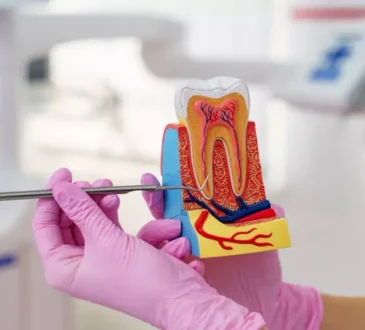
That difference matters, but the bigger issue for most parents is not the label. It is what the tooth does in daily life. A deep groove can trap plaque and food. A tooth that is extra wide can crowd nearby teeth or affect the bite. If the roots are shaped differently, a loose baby tooth may not fall out in the usual way. This is why an exam and dental X rays matter. A visual check alone does not always tell the full story.
According to the NCBI overview of fused teeth and related dental anomalies, these developmental differences can affect both appearance and function, and they may need follow up as the child grows. That does not mean treatment is always urgent. It means the tooth deserves attention instead of guesswork.
Double baby teeth can raise concerns about cavities, spacing, and adult teeth
Many parents first notice the cosmetic side of it. The tooth looks bigger, uneven, or split. Children usually do not care at first, but parents do, and that is understandable. Then the practical concerns show up. Can your child brush that groove well enough? Will food keep getting stuck there? Will the adult tooth underneath come in normally?
Those concerns are valid because double baby teeth can create a few predictable problems. Deep grooves are harder to clean, which raises the risk of decay. A larger tooth can change spacing and push other teeth out of line. Some children develop speech habits around tooth shape, especially if the front teeth are involved. If the affected tooth becomes decayed or infected, treatment can get more complicated than a standard filling.
There is also the question that keeps many parents up at night. What if this affects the permanent teeth? Sometimes it does, sometimes it does not. A child may have a normal adult tooth underneath, a delayed eruption, or another shape difference in the permanent tooth. That is one reason monitoring matters. A pediatric dental team tracks the timeline instead of waiting until a bigger problem appears.
Basic prevention still does a lot of the heavy lifting. The MedlinePlus guide to child dental health supports routine brushing with fluoride toothpaste, healthy feeding habits, and regular dental visits, which become even more useful when a tooth has grooves or unusual anatomy.
Monitoring and treatment depend on function, decay risk, and comfort
Some children need nothing beyond routine exams and better cleaning around the tooth. Others may benefit from sealants, fluoride treatments, fillings, or referral planning if the tooth affects spacing or eruption. Extraction is sometimes needed, but it is not the starting point just because the tooth looks unusual.
If your child has no pain and the tooth is cleanable, a watch and protect approach often makes sense. If there is a deep groove collecting plaque, a sealant or small restoration may lower cavity risk. If the tooth blocks normal eruption or causes infection, treatment becomes more active. This is where a baby teeth fusion and gemination case stops being about appearance and starts being about health and timing.
| Concern | What Parents May Notice | What a Pediatric Dentist May Recommend |
|---|---|---|
| Deep groove in the tooth | Food gets stuck, brushing is hard, staining appears | Closer cleaning instructions, fluoride, sealant, or small filling |
| Large or joined tooth shape | Crowding, uneven smile, bite changes | Monitoring growth, X rays, orthodontic follow up if needed |
| Delayed baby tooth loss | Tooth stays in place longer than expected | Exam to check roots and permanent tooth eruption |
| Pain or infection | Sensitivity, swelling, trouble chewing | Prompt treatment, which may include restoration or extraction |
| No symptoms | Tooth looks unusual but child is comfortable | Regular observation and preventive care |
Parents can protect children with fused or geminated teeth through simple next steps
Get a clear diagnosis. Ask whether the tooth is likely geminated or fused, and whether X rays are needed. The exact term helps, but the main goal is to understand cavity risk, root shape, and whether the adult tooth looks normal underneath.
Clean the grooves with extra care. Use a small soft toothbrush and angle the bristles into the groove where plaque collects. If your child is old enough, a fluoride toothpaste helps strengthen enamel. If brushing that area turns into a daily fight, mention it at the next visit. Technique matters more than force.
Track changes instead of waiting for pain. Take a quick photo every few months if the tooth is visible in the front. Watch for dark spots, gum swelling, bad breath that lingers, sensitivity, or changes in how the tooth lines up. Those details help your pediatric dental team decide whether the plan should stay conservative or become more active.
Early guidance often prevents bigger dental problems later
If your child has an unusual baby tooth, you are not overreacting by looking into it. You saw something different, and different deserves a closer look. Most cases of geminated and fused baby teeth are manageable, especially when they are caught early and checked regularly. A trusted pediatric dentist can tell you whether the tooth simply needs monitoring or whether it needs treatment to protect your child’s comfort and future smile.
If you have noticed a wide, split looking, or joined baby tooth, schedule a pediatric dental visit and get a clear plan for what comes next.