Professional Dental Polishing Pastes: Why One Product Does Not Suit Every Restoration

You sit down for a cleaning or a cosmetic touch up and assume polishing is the easy part. It feels minor compared with a filling, crown, veneer, or implant. That is exactly why it gets overlooked, and your dentist in SW Calgary can help you understand why. The paste used to polish your teeth and restorations can either protect the surface or wear it down, dull its shine, and shorten how long it looks good.
This is the core issue with professional dental polishing pastes. One product cannot safely suit enamel, composite bonding, porcelain, zirconia, gold, and acrylic in the same way. Different materials respond to pressure, grit size, and polishing ingredients differently. A paste that works well on natural enamel may scratch a resin filling. A paste that cuts stain fast may leave a ceramic surface rough enough to attract more plaque later.
If you have ever paid for cosmetic work and then worried about keeping it looking right, that concern makes sense. The finish on a restoration is not just about appearance. Surface texture affects stain retention, plaque buildup, comfort, and wear on the opposing teeth.
Professional dental polishing pastes must match the restoration material
Restorative materials are built to do different jobs. Composite resin is softer than porcelain. Acrylic scratches more easily than zirconia. Gold behaves differently from all of them. That means the polishing system has to fit the material, not the other way around.
Dental polishing compounds for restorations vary by abrasiveness, particle size, and intended use. Fine grit pastes help refine and smooth. Coarser products remove surface stain more aggressively. Used on the wrong material, that extra cutting action can create microscopic scratches. You may not see them right away, but they can change gloss, catch stain, and make a restoration age faster.
The science behind this is straightforward. Dental materials have different hardness, filler content, and surface structures. The NIDCR overview of dental materials explains how restorative materials differ in composition and performance. Those differences matter in polishing because the final surface has to be smooth without removing more material than necessary.
That is why a careful restoration polishing paste choice matters after bonding, contouring, stain removal, or routine maintenance. The goal is not just to make something shiny for the moment. The goal is to preserve the restoration you already paid for.
Using the wrong polishing paste can create small problems that turn expensive
A rough restoration surface does not always announce itself right away. It may start with a bonded tooth that loses some of its luster. A crown near the front may pick up stain at the edges faster than expected. A denture or temporary may feel less smooth against the tongue. These are the kinds of changes people notice slowly, then suddenly.
There is also a functional side. Rougher surfaces retain more biofilm. That can affect gum health around crowns and veneers, especially near margins where plaque already likes to collect. The NCBI overview on dental materials and restorations supports the broader point that material properties influence clinical performance, wear, and maintenance.
If you have mixed dental work, the challenge grows. Picture a patient with natural enamel, a composite filling on one side, and a ceramic crown on the other. A single aggressive paste across all surfaces may save a few minutes chairside, but it does not respect the materials. That shortcut can cost more later in repolishing, refinishing, or replacement.
General and cosmetic dentist visits should include material specific polishing choices
In a strong maintenance plan, polishing is not treated as one generic final step. It is part of restorative care. The American Dental Association outlines how materials for indirect restorations differ, including ceramics, metals, and resin based options. Those differences carry over into finishing and maintenance.
This matters even more in cosmetic dentistry, where gloss, texture, and light reflection shape how natural a restoration looks. A veneer that is technically intact but poorly polished may look flat or pick up discoloration sooner. A composite edge that gets overpolished with the wrong system may lose anatomy or become easier to stain.
| Restoration Material | What It Needs | Risk With the Wrong Paste |
|---|---|---|
| Natural enamel | Stain removal with controlled abrasion | Unneeded enamel wear over time |
| Composite resin | Fine polishing to protect gloss and margins | Surface scratching and faster staining |
| Porcelain or ceramic | Material specific finishing to maintain smoothness | Loss of glaze like shine and plaque retention |
| Zirconia | Polishing system designed for high strength ceramics | Roughened surface and wear against opposing teeth |
| Gold or metal restorations | Controlled polishing to refine without gouging | Scratches and altered surface finish |
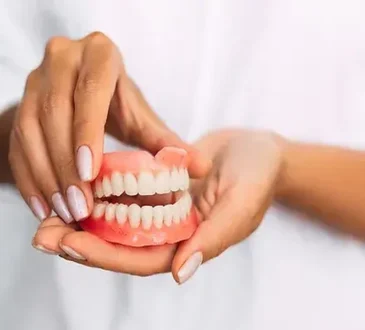
| Acrylic temporaries or dentures | Gentle polishing to avoid surface damage | Easy scratching and stain buildup |
Smarter polishing decisions protect both appearance and longevity
Ask what material is being polished. If you have crowns, bonding, veneers, implants, or dentures, say so before polishing starts. Many people assume the chart tells the whole story. It often helps, but your own reminder can prevent a one size fits all approach.
Ask whether the polishing paste is matched to the restoration. You do not need technical brand names. A simple question is enough. If the answer includes different products or polishing steps for enamel versus restorations, that is a good sign your care is being tailored.
Protect the finish between visits. Whitening toothpaste, gritty pastes, and hard brushing can undo chairside polishing, especially on composite and acrylic surfaces. A softer brush, low abrasion toothpaste, and regular maintenance with a general and cosmetic dentist support the surface your restoration needs.
The right professional polishing paste helps your dental work last and look natural
Small choices during maintenance can shape how your restorations look six months from now and years from now. Professional polishing pastes are not interchangeable, and your dental work should not be treated as if it is. Material specific polishing respects the investment you made, protects smooth surfaces, and helps restorations stay cleaner, brighter, and more comfortable.
If you have fillings, crowns, veneers, implants, or dentures, ask your dental office how they handle polishing for different materials. That one question can lead to better care and fewer avoidable problems.