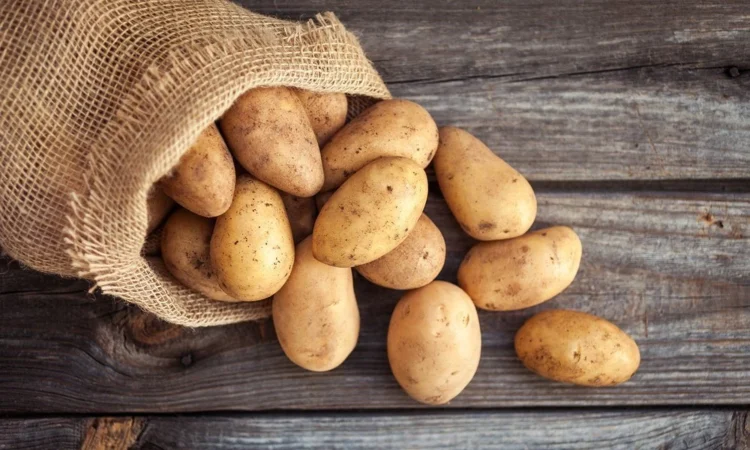
One of the easiest and most gratifying things you can prepare is a well-cooked baked potato. When combined with your preferred toppings, its light, fluffy inside and crisp, flavourful shell make it a great side dish or even a whole dinner. Even though it’s simple, a lot of home chefs make little errors that impact the outcome. Texture and flavor may be significantly improved by paying attention to a few key elements.
Selecting The Incorrect Kind Of Potato
Selecting the right kind of potatoes is the first step in preparing a tasty dinner. Not all potatoes are good for baking. Because of their high starch content and low moisture level, starchy potatoes like russets allow the exterior to get crisp while the interior becomes soft and fluffy.
Conversely, waxy potatoes have a harder texture and hold onto more moisture. They seldom generate the airy interior consumers anticipate from a traditional baked potato, even if they perform nicely in salads or roasted recipes.
Ignoring The Cleaning Procedure
A lot of people don’t realize how important it is to wash potatoes well before baking them. Potatoes often have dirt on their skin even after they are delivered to the grocery store since they grow underground. Usually, a fast rinse is insufficient.
Using a vegetable brush, carefully scrub the potato under running water to get rid of dirt and debris. After cleaning, use a towel to properly dry it. During baking, a dry surface helps the skin become crisp rather than boiling.
Ignoring The Skin Piercing
Putting the potato straight into the oven without piercing it is a typical error. Steam forms within the potato while it cooks. The potato can suddenly break if there are no small openings to relieve the strain.
Before baking, make a few holes in the surface with a fork. This little procedure helps the potato cook more evenly while allowing steam to securely escape.
Putting Foil On Potatoes
Many people think that potatoes stay moist and soft when wrapped in aluminum foil. Foil keeps the skin from being crispy, even if it does retain moisture. The potato essentially steams within the foil rather than being roasted.
Place the potato straight on the oven rack or on a baking pan without covering if you want a restaurant-quality baked potato with a crispy shell and a fluffy core.
Using The Incorrect Oven Temperature
A key factor in getting the perfect texture is temperature. Low-temperature baking often results in thick, undeveloped interiors because the potato cooks too slowly.
A moderate to high oven temperature, typically between 400 and 425 degrees Fahrenheit, allows the skin to crisp while promoting uniform cooking. Turning the temperature too high in an attempt to speed up the process can burn the exterior before the middle is cooked through.
Avoiding Seasoning The Skin
Despite the potato skin’s abundance of flavor and nutrition, many individuals choose to leave it uncooked. Taste and texture are improved by lightly oiling the exterior and dusting it with coarse salt before baking.
While the salt offers a nice crunch and savory taste, the oil promotes browning. Seasoned peel enhances the flavor of the whole potato, even if you like basic toppings.
Hurrying The Cooking Process
When baking potatoes, patience is crucial. The middle is often firm or slightly undercooked if they are taken out of the oven too soon. It might be deceptive to rely only on the clock since cooking times vary depending on potato size.
Alternatively, poke a fork into the middle of the potato or gently compress it with an oven mitt. The potato is ready if it glides in without any difficulty.
Cutting The Potato Too Early
Many people cut the potato open as soon as it comes out of the oven. Allowing it to rest for a few minutes lets the steam settle within, making the inside lighter, even if this may seem innocuous.
Cut a slit across the top and gently push the ends toward the center after the short resting time. This naturally opens the potato, making it ideal for toppings like cheese, butter, herbs, and veggies.
Conclusion
Making the ideal baked potato is more about avoiding a few frequent blunders than it is about complex procedures. A better outcome may be achieved by choosing the right potato, carefully washing and drying it, seasoning the skin, baking at the right temperature, and giving it enough time to cook. You may regularly enjoy potatoes with crispy skins, fluffy interiors, and delectable flavor that goes well with a variety of dishes by concentrating on these easy habits.