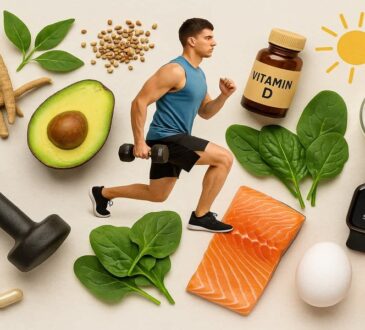
Interest in natural hormone support continues to grow, but not every option deserves attention. Many products rely on tradition or marketing rather than evidence. Men who want real results need clarity on what research actually supports and what simply sounds convincing. The good news is that a few natural options show consistent promise when used correctly and paired with healthy habits.
This article focuses on what science supports, not speculation.
Why Research Matters in Hormone Support?
Testosterone responds to lifestyle, nutrition, and stress more than quick fixes. Natural support works best when it addresses underlying gaps rather than forcing hormonal output. Research helps identify which nutrients and plant compounds influence these pathways safely. When evidence exists, expectations become realistic. When it does not, disappointment follows. Zinc and Magnesium: Foundational Nutrient Support
Zinc plays a direct role in testosterone production. Multiple studies show that zinc deficiency correlates with lower testosterone levels, especially in physically active men or those under chronic stress. Restoring adequate intake helps normalize production rather than overstimulate it.
Magnesium supports muscle function and hormonal balance. Research suggests it may help increase free testosterone levels, particularly in active individuals. These minerals work best when correcting a deficiency, not when consumed excessively.
Food sources matter, but supplementation helps when dietary intake falls short.
Vitamin D and Hormonal Signalling
Vitamin D acts more like a hormone than a vitamin. Studies associate low vitamin D levels with reduced testosterone, particularly in men with limited sun exposure. Supplementation in deficient individuals has shown measurable improvements.
The benefit depends on baseline levels. Men with adequate vitamin D may see little change, while those deficient often notice better energy and mood alongside hormonal support.
Testing helps guide appropriate use.
Ashwagandha and Stress Reduction
Ashwagandha stands out among herbs because research links it to reduced cortisol levels. Since cortisol suppresses testosterone when elevated long-term, stress reduction indirectly supports hormonal balance.
Clinical studies in stressed or infertile men show improvements in testosterone and overall vitality. The effect is not dramatic, but it is consistent when stress plays a major role.
This makes ashwagandha a support tool rather than a stimulant.
Fenugreek and Strength-Related Outcomes
Fenugreek has been studied for its potential effects on strength, libido, and testosterone-related outcomes. Some research suggests it may support testosterone activity rather than total levels.
Results vary depending on formulation and dosage. It works best alongside resistance training and adequate nutrition.
Lifestyle Factors That Amplify Results
No supplement works in isolation. Sleep quality, resistance training, and calorie balance influence testosterone more than most pills. Even the best natural testosterone booster delivers limited benefit without these foundations.
Short, intense training sessions with proper recovery tend to support hormonal response. Poor sleep does the opposite.
Putting It All Together
Research-backed options focus on restoring balance, not creating excess. Zinc, magnesium, vitamin D, and select herbs support testosterone when a real need exists. Results feel gradual but stable.
The smartest approach combines evidence-based supplementation with sleep, stress control, and training consistency. That alignment, not hype, delivers lasting benefits without unnecessary risk.