Key Takeaways
- Beauty spas are not gender-exclusive; modern spa wellness services are designed for physiological needs, not gender stereotypes.
- Men and women increasingly seek beauty spa treatments for recovery, stress management, skin health, and preventive care.
- The spa industry has shifted from cosmetic-focused offerings to outcome-driven wellness models that are relevant to all clients.
- Barriers to male participation are significantly cultural, not clinical or operational.
- Inclusive service design is now a core indicator of a professionally run beauty spa.
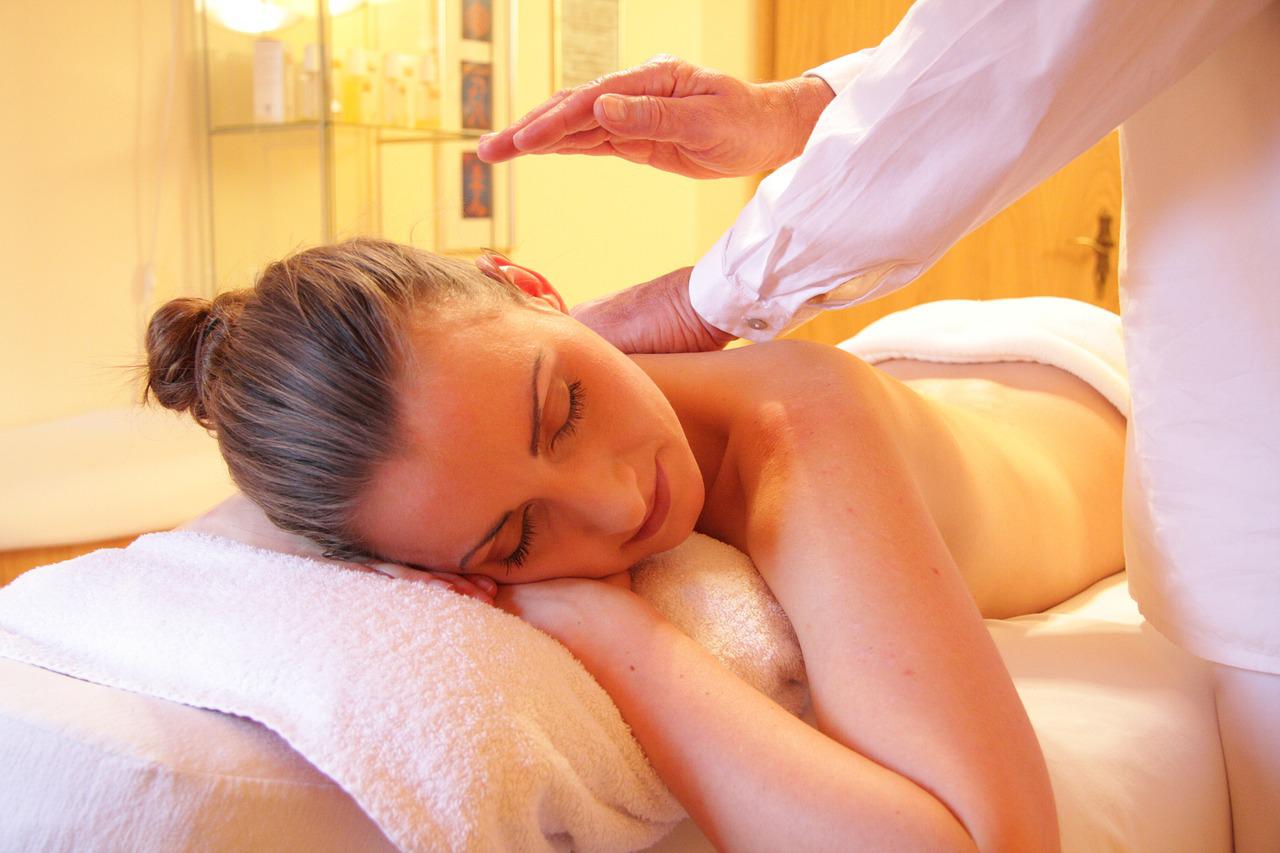
The perception that a beauty spa is primarily a female-oriented space is outdated. While early spa marketing leaned heavily towards beauty and cosmetic enhancement, the modern spa industry operates on a broader wellness model that addresses stress, muscular fatigue, skin health, circulation, and recovery. These are not gender-specific needs. Since lifestyles have become more sedentary and stress-driven across all demographics, spa wellness services are increasingly positioned as functional health support rather than indulgent treatments.
From an industry perspective, the question is no longer whether beauty spas are suitable for men, but why the misconception persists when treatment objectives are clearly universal.
How the Beauty Spa Industry Originally Became Gendered
Historically, beauty spas were marketed around aesthetics such as skin refinement, slimming, and relaxation rituals, often framed using feminine language and imagery. This framing shaped consumer expectations and reinforced the idea that spa environments were designed mainly for women. However, this was a branding choice, not a treatment limitation.
The core services offered-massage therapy, skin maintenance, detoxification, and stress reduction-have always been relevant to men. The difference lay in how services were presented, not in their therapeutic value. While wellness awareness grew, the industry began repositioning itself around outcomes rather than appearances.
What Spa Wellness Actually Addresses
Spa wellness focuses on physiological and psychological balance. Treatments target muscle tension, poor circulation, inflammation, fatigue, and stress-induced conditions. These issues affect men and women equally, especially professionals with long working hours, athletes, and individuals managing high mental load.
Modern spa wellness programmes often integrate bodywork, skin health, posture-related care, and recovery support. This instance makes the beauty spa a functional extension of preventive health routines rather than a cosmetic-only space. Once positioned this way, gender becomes irrelevant.
Why More Men Are Entering Beauty Spa Spaces
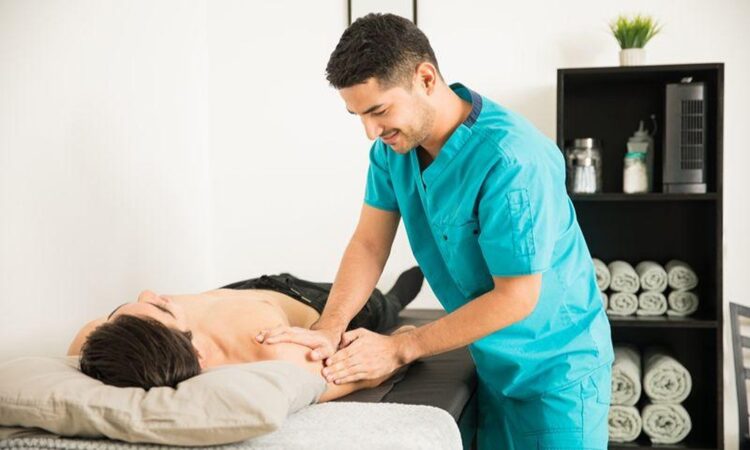
There has been a measurable increase in male clientele across urban beauty spas. Men now seek professional grooming, stress relief, recovery support, and skin maintenance as part of routine self-care. This shift is driven by workplace stress, fitness culture, and growing awareness of long-term health maintenance.
Additionally, men are more informed about how unmanaged stress and physical strain impact productivity and health. Spa wellness treatments provide structured, non-invasive support without the stigma previously associated with spa environments.
How Professional Beauty Spas Adapt for All Clients
A professionally run beauty spa does not design treatments based on gender but on individual assessment. Skin type, muscle condition, stress levels, and lifestyle factors determine treatment recommendations. This clinical-style approach removes the gender narrative and replaces it with outcome-based care.
Service menus have evolved accordingly. Many spas now offer neutral branding, private treatment rooms, and consultation-led programmes that appeal equally to men and women. The focus is on function, results, and consistency rather than indulgence.
Cultural Barriers vs Operational Reality
The remaining resistance to men visiting a beauty spa is largely cultural. Social conditioning still frames spa visits as optional luxuries rather than practical wellness tools, especially for men. However, this perception is changing as wellness becomes integrated into professional and athletic performance discussions.
From an operational standpoint, there is no limitation. Spa wellness protocols, hygiene standards, and professional training apply universally. The environment is designed for comfort, privacy, and clinical safety, regardless of gender.
The Industry Direction Going Forward
The beauty spa sector continues to move towards inclusive wellness positioning. While consumers prioritise mental health, recovery, and preventive care, spas that limit themselves to gendered branding risk becoming obsolete. Spa wellness is now part of a broader health ecosystem that supports sustainable performance and quality of life.
Contact 21st Century Beauty Spa and learn which treatments support your lifestyle, recovery needs, and long-term wellness goals-without assumptions or stereotypes.